ICE sends Texas man, 25, to Mexico after he fails to show ID — 7 months later, feds admit he’s an American citizen
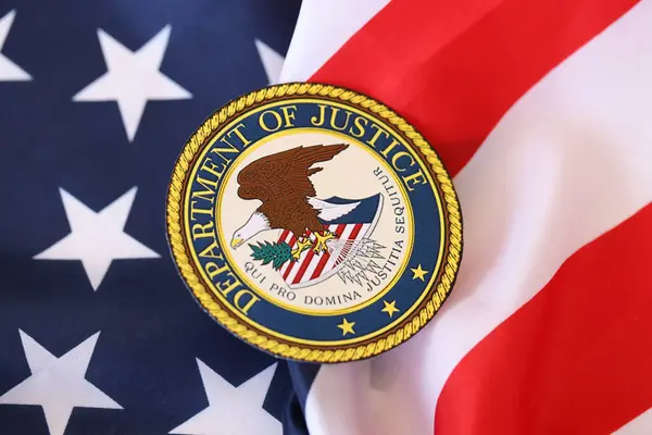
DepositPhotos. Federal prosecutors have acknowledged in court that a 25-year-old Austin man deported to Mexico in April after a traffic stop in the Texas Hill Country is a U.S. citizen. Justice Department attorneys made the admission on November 20, 2026, while asking a judge to dismiss Brian José Morales García’s lawsuit for damages. U.S. Attorney Justin Simmons wrote that “Plaintiff is a dual citizen of the United States
and Mexico.” The acknowledgment does not amount to an acceptance of liability; the government disputes his account and maintains that he went to Mexico voluntarily. The case is before U.S. District Judge Robert Pitman in Austin.[DepositPhotos.] The case began on a work trip. Morales García was riding beside his boss through the Texas Hill Country, bound for an air-conditioning job near Fredericksburg, when a state trooper stopped their pickup truck. Police called immigration authorities when he couldn’t immediately provide identification or proof of citizenship, and Morales, who doesn’t speak English and has dual citizenship in Mexico, was booked into the Gillespie County Jail before U.S. Border Patrol agents took custody of him. He told The Texas Tribune that he repeatedly told agents he was a citizen with a birth certificate and Social Security card at home, but was not given a chance to retrieve them. He and his lawyer had previously provided the Tribune copies of his Social Security card and birth certificate, which shows he was born in Denver.DepositPhotos. The government’s version differs. According to the court filings, Customs and Border Protection agent Robert Gil Jr. consulted Mexican records that reportedly listed Mexico as Morales García’s birthplace, despite his claim that he was born in Denver. The government said Morales García told federal agents he was born in Mexico and freely chose to return there. His lawsuit alleges he was coerced into signing documents before being sent across the border, which the Justice Department denies. In April, shortly after his removal, the Department of Homeland Security told the Tribune that its agents “did NOT arrest a U.S. citizen.” He returned to the United States at the end of August after the federal government reached an agreement with his lawyers.[DepositPhotos.] The government is now arguing that it is shielded from the lawsuit. Prosecutors are asking the judge to dismiss the case, saying the government has immunity in immigration enforcement. “No U.S. citizen — dual citizen or not — should face the threat of detention or deportation,” his lawyer, Kate Lincoln-Goldfinch, told the Tribune. “What happened to him is an injustice that shouldn’t be repeated.” The judge’s ruling will determine whether Morales García can pursue damages, and it could shape how courts handle claims from citizens who say they were wrongly removed.[DepositPhotos.] The case shows how a routine roadside stop, especially near the border or in states that work closely with federal immigration agents, can escalate quickly when a person cannot prove citizenship on the spot. For workers who travel between job sites in company trucks, including tradespeople and drivers, carrying a U.S. passport card or a copy of a birth certificate can prevent a long detention if questions arise. Anyone detained who believes they are a U.S. citizen can ask to contact a lawyer or their consulate and should be cautious about signing documents they do not understand, particularly in a language they do not read. The next step in the case is Judge Pitman’s ruling on the motion to dismiss.