Russia’s $3.8B Crimea bridge drops a 745-foot arch into the sea — now drones target supply trucks on the detour
Images for representation purposes only / Wikimedia Commons. Russia’s $3.8 billion bridge to Crimea has lost its road link to the sea, and the trucks that used to roll across it are now being forced onto a longer, more dangerous route. Ukrainian strikes between Nov. 16 and 19 hit the 12-mile Kerch Bridge, which connects mainland Russia to the occupied peninsula. On Nov. 17, one of the bridge’s main road arches, about
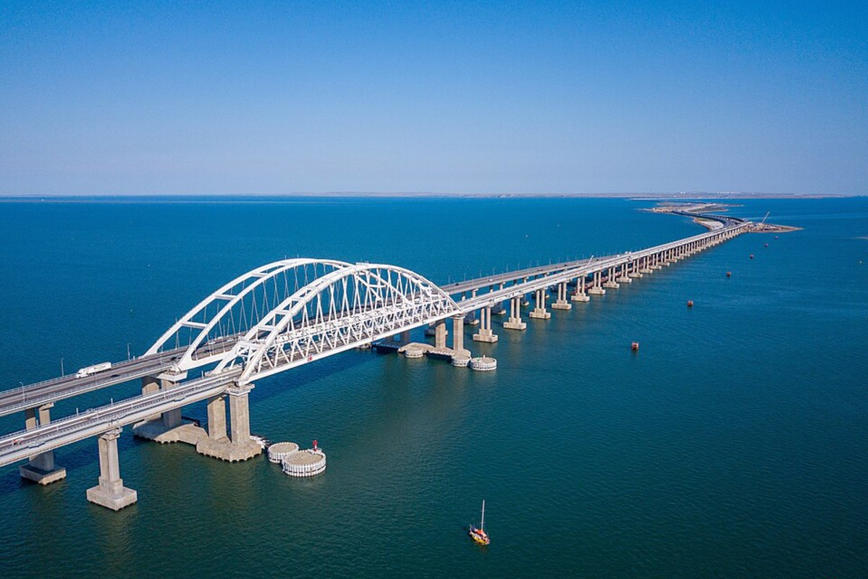
745 feet long, collapsed into the strait, and roughly 660 feet of roadway was left damaged and underwater. Cars and trucks can no longer cross at all, and two days later Ukrainian Neptune missiles hit the rail side of the bridge.[Volodymyr Zelenskyy on X.] The rail section is still standing, but trains were halted briefly after the Nov. 19 strike and have been limited to a single track. Ukraine’s president described the operation as unprecedented, saying it combined long-range drones and cruise missiles after weeks of attacks on the radars and air defenses guarding the bridge. Kremlin spokesman Dmitry Peskov accused Ukraine of striking civilian targets and said the bridge would be rebuilt “even better than before.” One Kyiv-based analyst summed it up bluntly, saying that logistically, Crimea is turning into an island.Images for representation purposes only / Wikimedia Commons. With the road span gone, Russian supply convoys have shifted to the land route through occupied southern Ukraine. That corridor is now under fire too. The Institute for the Study of War, a Washington-based research group, said a key highway on that route was struck on Nov. 21 and 22, and it expects the bridge damage to hurt Russia’s ability to move supplies into Crimea. Ukrainian channels have posted video of burned-out trucks on the road, though those claims have not been independently verified. A Ukrainian navy spokesman has predicted fuel shortages in Crimea within one to three weeks.[Images for representation purposes only / DepositPhotos.] The damage reaches beyond the war zone. The fallen arch now sits in the deepest part of the Kerch Strait, the shipping lane that cargo vessels use to carry grain and steel from southern Russia and occupied Ukrainian ports out to the Black Sea. If that channel stays blocked, some analysts say global grain prices could feel it, since the Black Sea region is one of the world’s biggest wheat exporters. For American farmers, bakers and grocery shoppers, the next thing to watch is whether wheat futures and Black Sea shipping rates start climbing as the winter export season gets underway.

